

The winter season can impact your body more than you think. Colder temperatures affect our joints, muscles, and simply the motivation to stay active. Our physiotherapists at Motion Works Physiotherapy in Stittsville teach you how to prepare your body for the harsh conditions of winter.
Why Winter Takes a Toll on the Body
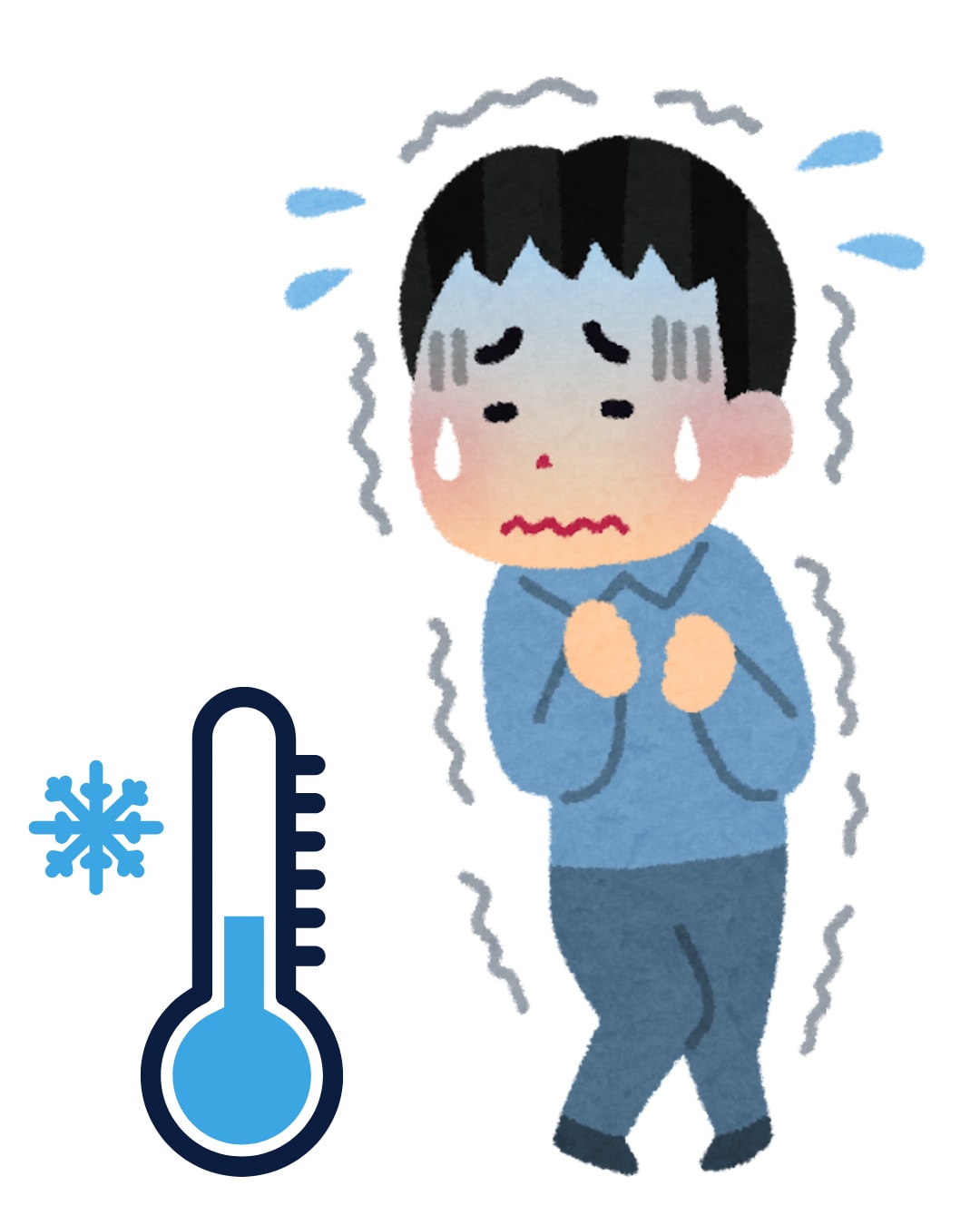
The chilly (and sometimes downright frigid) temperatures of winter are upon us. While there’s nothing cozier than curling up on the couch with some hot chocolate, staying physically active this season is the better option for your overall physical and mental health.
Winter weather and temperatures can lead to several physiological changes in the body:
Stiff joints
Colder temperatures can thicken the fluid that lubricates our joints, making movements feel less smooth and more uncomfortable.
Tight Muscles
The cold can reduce blood flow around your body, leading muscles to not receive as much blood. Less blood means less heat and nutrients for our muscles, causing them to stay more contracted to preserve it.
Less Circulation
Low temperatures cause our blood vessels to constrict, reducing circulation to our extremities in order to keep our vital organs warm. This can increase blood pressure and put more strain on our heart.
Weaker Immune System
Cold weather typically increases our desire to stay indoors, which encourages more close-contact between people, making it easier to transmit germs and viruses. The cold also narrows the blood vessels in our nose, reducing the amount of infection-fighting cells.
Increase Pain Sensitivity
Cold temperatures can increase our sensitivity to pain by affecting nerve signaling and reducing circulation to already painful areas. This is why chronic conditions such as back pain, neck pain, or old injuries can feel more intense during the winter months.
Common Winter Injuries
These physiological changes, on top of winter weather conditions, can significantly increase our risk of injury during this bone-chilling season. Winter sports, slippery sidewalks, snow shoveling, and physical inactivity can put extra strain on our bodies.
Simply understanding the most common winter injuries is helpful in preventing them and knowing when to seek out support from a physiotherapist.
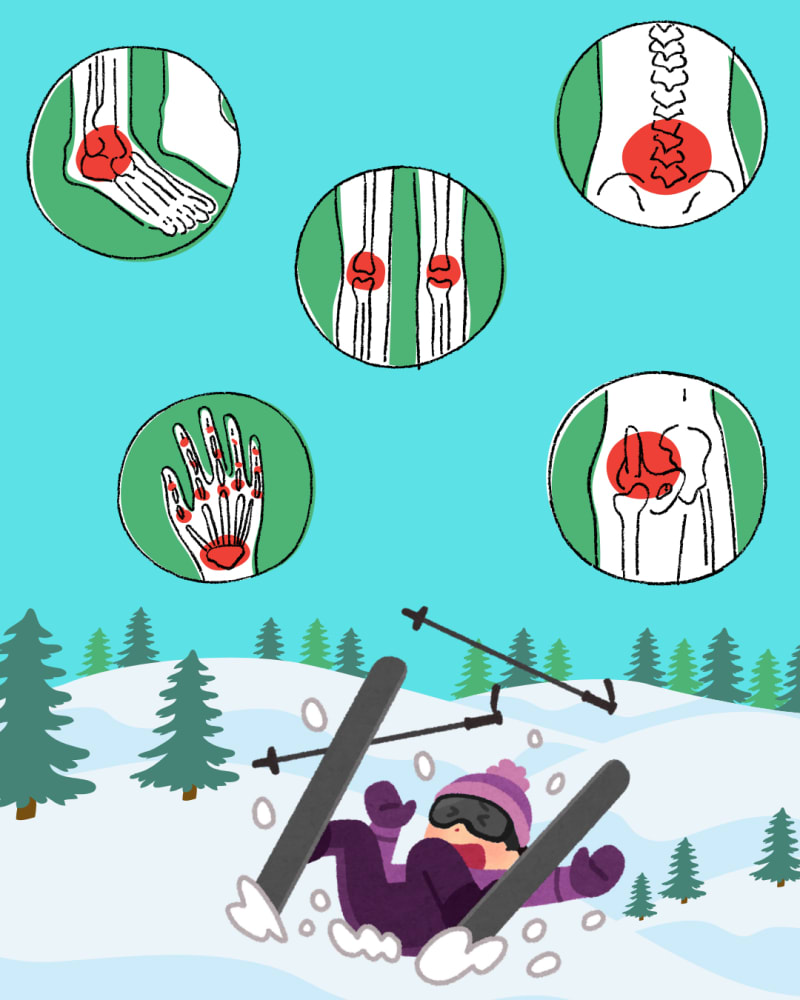
Common Injuries Include:
Slip, Trip, and Fall Injuries
- Fractures: Commonly seen in wrists, hips, ankles, legs, collarbones
- Head injuries: Concussions or more severe traumatic brain injuries from hitting the ground
- Sprains and strains: Back, ankles, wrists
Winter Sports Injuries
- Knee: ACL, MCL, LCL tears and meniscus injuries
- Shoulder: Dislocations and rotator cuff injuries
- Head: Concussions and lacerations from falls or collisions
- Wrist/Ankle: Fractures and sprains
- Frostbite
- Hypothermia
Tips for Preventing Winter Injuries
Winter may be chilly, slippery, and a little unpredictable, but your body doesn’t have to suffer because of it! By taking a few extra steps to care for yourself, you can protect your body,
prevent injuries, and enjoy everything winter has to offer…hot chocolate included!
Stay Active
Moving regularly helps to maintain strength, flexibility, and circulation. Short indoor workouts , or even light walks can reduce stiffness and lower injury risk.
Warm-up Before Activities
While staying active is important during the winter, it's equally as important to warm-up before. Cold joints and muscles are more prone to injury, so taking a couple minutes to stretch or lightly move before outdoor activities, winter sports, or snow shoveling is a great way to prevent injuries.
Dress for the Weather
Keeping your body warm helps to maintain circulation and joint mobility. It’s important to wear layers such as coats, socks, gloves, hats, and scarfs to help protect your body from the cold and potential frostbite. Boots that are warm and have good traction can also help prevent slips on icy surfaces
Protective Gear
Winter sports like skiing, snowboarding, and skating have high risks of serious falls or collisions. Accidents aren’t impossible to avoid but it is possible to reduce the severeness of an injury when they do happen. Protective gear like helmets, goggles, pads, and extra layers, can make a difference as big as turning a life-changing injury into just an embarrassing wipeout.
Listen to Your Body
Lastly, it’s crucial that you listen to your body when it speaks to you. Even after taking the most cautious routes, pain, stiffness, and fatigue can still prevail. It’s important to rest when you need it and seek physiotherapy support early on to avoid any minor issues turning into more serious injuries.
Benefits of Physiotherapy in the Winter
 Okay, we’ve officially covered all the not-so-fun parts of winter (looking at you, icy sidewalks and grumpy joints). But before you swear off leaving the house until spring, here’s the good news: winter doesn’t have to be all pain and panic. With the right support, it can be a whole lot more manageable, and that’s where physiotherapy comes in.
Whether you’re managing winter stiffness, recovering from an injury, or trying to prevent one, physiotherapy at Motion Works Physiotherapy in Stittsville offers support tailored to all your needs.
Our physiotherapists at Motion Works Physiotherapy in Stittsville can help keep your body moving and feeling its best throughout the brutal winter months. Physiotherapy can help to improve mobility, strength, balance, and circulation, which reduces stiffness, manages pain flare-ups, and lowers the risk of the common winter injuries we’ve been talking about. It also supports safe participation in daily activities and winter sports, helping you stay active, confident, and comfortable (even when the temperatures drop)!
Winter doesn’t have to mean stiffness, soreness, or hibernation. Physiotherapy is about helping your body adapt to the season by building strength, improving mobility, and preventing injuries so you can keep doing what you love. Contact Motion Works Physiotherapy in Stittsville to learn how our team can help you winter-proof your body from head to toe.